Grutas de Tolantongo is a natural hot-spring canyon 240 kilometers north of Mexico City, roughly 3.5 to 4 hours by car. The draw is a warm river running through a narrow, dramatic canyon at around 35°C, safe to swim year-round. It is genuinely an overnight trip; the drive alone takes 7 to 8 hours round-trip, leaving a rushed few hours to actually be there. Accommodation is basic, 300 to 1,500 pesos per night, and weekday mornings are significantly less crowded than weekends.
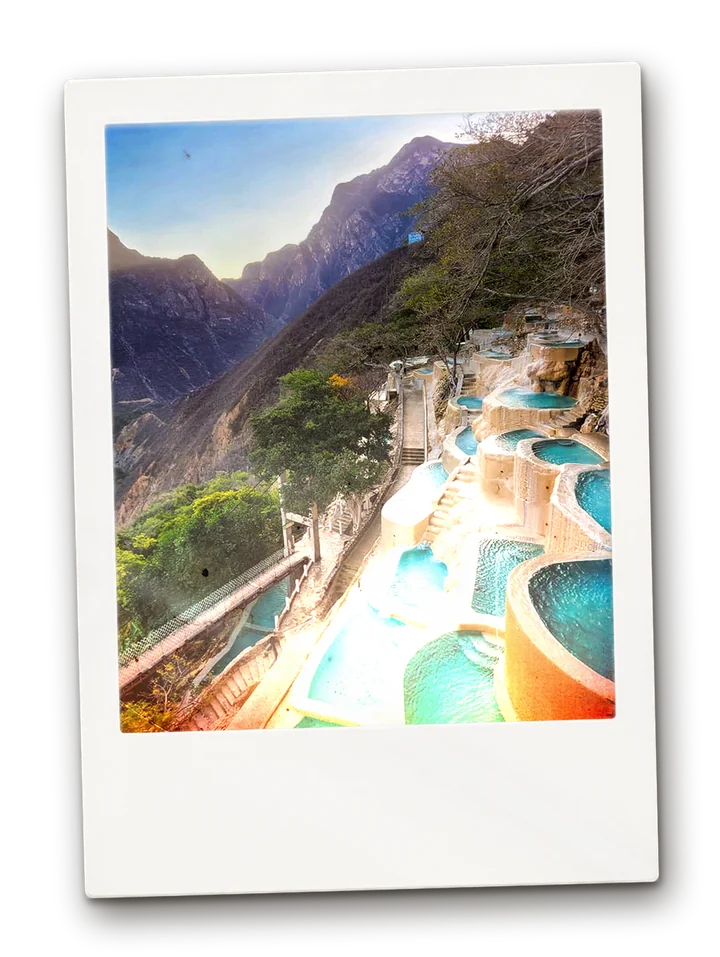
Grutas de Tolantongo is a natural hot-spring canyon about 240 kilometers north of Mexico City, 3.5 to 4 hours by car. It’s famous for its warm river running through a dramatic canyon with natural caves, mineral-rich thermal water, and scenery that makes it an Instagram destination. It’s genuinely an overnight trip, not a day trip—the drive alone eats 7–8 hours out of a day, leaving little time to actually enjoy the place. Go expecting to stay at least one night, ideally two.
What Grutas de Tolantongo actually is
Grutas means caves. Tolantongo has them—natural caverns carved into the canyon walls—but the real draw is the river. Thermal water heated by geothermal activity runs through the canyon at a consistent temperature around 35°C (95°F), warm enough to swim in year-round. The canyon itself is narrow and dramatic, with stratified rock walls colored red, orange, and gold. The whole site feels primordial and isolated, even though thousands of people visit yearly.
The water is mineral-rich (not hot-spring water in the acidic sense—it’s safe to swim in), and locals and visitors wade, soak, and swim in various spots along the canyon. There are deeper pools for swimming, shallower areas for wading, and spots where the water reaches actual hot-spring temperatures.
Getting there
Grutas de Tolantongo is in Hidalgo state, north of Mexico City. The drive is roughly 240 kilometers and takes 3.5 to 4 hours depending on traffic and which route you take. It’s not difficult driving but it is long and the road gets winding and mountainous near the end.
By car: From Mexico City, head north toward Pachuca, then continue toward Actopan and Tolantongo. The town of Tolantongo is small; follow signs to “Grutas.” Parking at the canyon itself is very limited—arrive early (7–8 am) if driving, or park in town and take a shuttle (most lodges offer this).
By organized tour: Several tour operators offer overnight packages from Mexico City including transportation, lodging, and sometimes meals. These run 1,500–3,500 pesos per person depending on accommodation and what’s included. The advantage is not driving after hours; the disadvantage is moving on someone else’s schedule.
By bus: Buses run from Mexico City to Tolantongo town, but the town is separate from the canyon site. You’d need to arrange local transportation from town to the actual spring. Less convenient than driving or a tour.
The hot springs and swimming
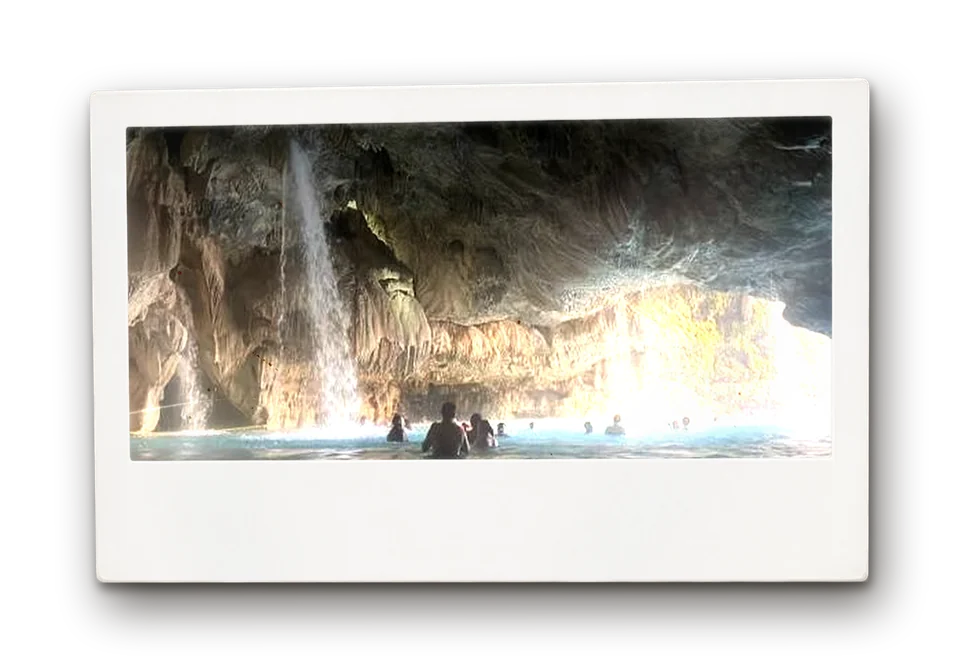
The river is the main activity. People swim, wade, soak, and float in the various sections. The water is consistently warm year-round, which is the whole draw.
Safety: The water is safe to swim in. There are deeper pools and shallower areas. The current is gentle in most places but can be stronger in some sections—swim where others are swimming and avoid areas where the current looks fast. The canyon walls are steep; don’t climb on them. In rainy season, flash floods are theoretically possible (though rare); avoid being in the canyon during heavy rain.
What to bring: Swimsuit, towel, water shoes or flip-flops (the rocks are sharp and slippery). Waterproof bag for phone/wallet. Sunscreen—the canyon provides some shade but you’ll be in the sun a lot.
Best times to swim: Early morning (6–7 am) before crowds arrive, or late afternoon (4–5 pm) as day visitors leave. Mid-morning to mid-afternoon is packed.
Hiking and exploring
Beyond swimming, there are trails along the canyon. Some lead to caves you can walk into. The hikes are not difficult—mostly walking along the riverbank or up into side canyons. The views are the point.
Cueva de la Boca: A cave accessible by wading upstream; inside is warmer water and a more intimate space than the open river. Popular with visitors.
Higher canyon views: Trails climb above the river to viewpoints overlooking the canyon. These take 1–2 hours round trip and require some scrambling but aren’t technical.
Most people spend time swimming, then do one short hike, then sit by the river watching the water.
Where to stay
Grutas de Tolantongo has limited accommodation. Most visitors stay in one of several basic hotels or cabins at or near the canyon.
Budget: Small hotels or cabins in town run 300–600 pesos per night. Very basic but clean. Some are right at the canyon entrance.
Mid-range: Better hotels with private bathrooms, heating, and hot water run 800–1,500 pesos. A few have better food options.
Camping: If you bring gear, free camping is technically available (many people sleep in cars or bring tents). It’s rustic and crowded on weekends.
Package deals: Tour operators often include accommodation, which can be cheaper than booking separately (1,500–2,500 pesos per person for overnight with lodging and meals).
Most lodging is spartan—this is not a resort destination. Electricity and hot water are inconsistent. Expect basic and plan for it.
Practical details
Hours: The canyon is accessible 24/7. Most facilities operate during daylight.
Cost: Entrance to the canyon runs 50–100 pesos. Parking, if you drive, is 100–200 pesos. Lodging, food, and guides are additional.
Best time to visit: Dry season (November–April) has more stable weather. Rainy season (May–October) is wetter but also less crowded and greener. The water temperature stays warm year-round.
Season and weather: Nights can be cold even though the water is warm—bring warm clothes for evening. The canyon provides shelter from wind. In rainy season, afternoons often bring showers; mornings are clearer.
What to bring: Swimsuit, towel, water shoes, warm layers for evening, sunscreen, water, snacks. The town has basic supplies and some restaurants, but options are limited.
Food: Bring snacks or eat at restaurants in town or at your lodge. Nothing fancy, but adequate.
How long: One night minimum. Two nights is better if you want to explore without rushing. Day trips are technically possible (leave very early, swim, drive back) but you’ll spend most of the day driving and feel rushed.
Is it worth it? Yes, if you want natural thermal springs, a different kind of landscape from the city, and don’t mind basic accommodation. No, if you need comfort or expect resort amenities. It’s genuinely special—the Instagram fame is deserved—but go for the experience, not the photo alone.
Why this works better as an overnight
The drive is substantial. Leaving Mexico City at 6 am gets you there by 10 am, giving you 6–7 hours before you need to head back to beat evening traffic. That’s enough to swim and do one hike, but it’s rushed. Staying overnight lets you arrive less frantic, explore at your own pace, and enjoy the canyon without clock-watching. The experience is much better with time.
Crowds
Grutas de Tolantongo is very popular, especially on weekends and holidays. Saturday afternoons are packed. Weekday mornings and midweek are quieter. If seeking peace, go during the week or arrive very early Saturday.
Safety and current conditions
The site is safe for visitors. Thousands come yearly. The thermal water is safe to swim in. The main risks are sun, sharp rocks, and slippery surfaces—standard outdoor precautions. Check weather before going; in rainy season, avoid the canyon during active rainfall.