Tepoztlán sits about an hour south of Mexico City in Morelos, reachable by Pullman de Morelos buses from Terminal Central del Sur (Taxqueña) roughly every 30 minutes. The draw is the Sunday tianguis market and the hike up to the El Tepozteco pyramid, both better early before weekend crowds arrive. It works as a long day trip but rewards staying over.
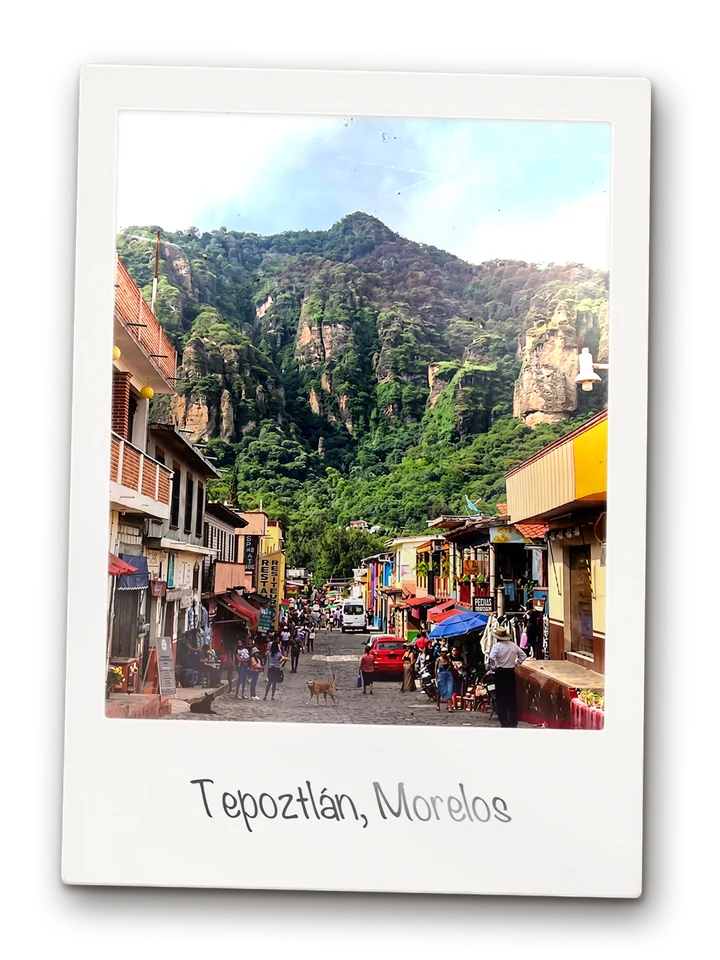
Tepoztlán sits about an hour south of Mexico City in Morelos, at the foot of a wall of eroded volcanic cliffs that turn gold in the afternoon light. It works as a long day trip and rewards an overnight stay, since the two main reasons to come—the market and the hike to the pyramid—both work better before the weekend crowds arrive.
The market
The market fills the streets around the zócalo every day and swells into a full tianguis on Sundays: artisan stalls, produce vendors, and a food row selling itacates—the triangular masa gorditas the town is known for—alongside pulque (the fermented agave drink), nieves (shaved ice), and tamales steamed in avocado leaf. The quality and variety are genuine: local craftspeople, local farmers, local food. It’s not a tourist market that pretends to be local; it’s actually local and happens to have tourists in it.
Weekday mornings are quieter and better for browsing without being swept along in a crowd. Sundays are the full experience—louder, fuller, more chaotic—but if you want to see the whole town turned marketplace, that’s when.
El Tepozteco pyramid and the hike
The hike to El Tepozteco is the other main reason to visit. The trail starts at the north end of town, near the market’s edge, and climbs roughly 400 meters over about 2 kilometers of steep, rocky steps. The climb ends at a small pyramid the Mexica built to Tepoztēcatl, a god of pulque and fertility, positioned on a ledge that overlooks the entire valley and the town below.
Most people take an hour to 90 minutes to reach the summit. The views are worth the climb: on a clear day you can see back toward Mexico City and south toward Cuernavaca.
Important timing: Start early. By mid-morning on a Saturday, the trail becomes a single-file line of people. By noon, the exposed rock sections get sun-baked, and the crowds make the steeper parts frustrating. A weekday morning or an early start on a weekend is the difference between a good hike and hours of stop-and-go walking.
The trail is well-marked but exposed in places; wear proper shoes with grip (not sandals), bring water, and sunscreen. The pyramid itself is small—you can see it from town—but standing on it, looking out, is the experience.
The Ex-Convento de la Natividad
The 16th-century Dominican monastery on the plaza, the Ex-Convento de la Natividad, is UNESCO-listed and worth 20 minutes of exploration. Walk the cloister, look at the colored-seed arch that locals rebuild each year for the September fiesta, and see how the building sits in the town’s center. It’s not a major museum or attraction, but it’s genuinely there and genuinely old, and it gives the town more texture than just market and hike.
The town itself
Tepoztlán has become somewhat gentrified over the past decade—boutique hotels, upscale restaurants, and a small tourism infrastructure have moved in. But the core of the town—the market, the streets, the local food, the people—remains intact. It’s not trying to be a tourist destination; it’s just a town that tourists visit.
The pulque culture is still real. You’ll see pulque stands and drink it in the market if you want to try it. It’s an acquired taste—fermented agave, tart and thick—but it’s part of what the town is.
Getting there
Pullman de Morelos runs buses from Terminal Central del Sur (Taxqueña) to Tepoztlán roughly every 30 minutes, about an hour each way. Buy the ticket in person at the terminal rather than trying to book ahead; the frequency means there is rarely a real wait. The bus drops you a short walk or quick taxi from the zócalo, not right in the center. A rental car or a day-tour pickup both work too, but neither saves meaningful time over the bus once parking or a tour group’s pace is factored in; see Bus, Tour, or Car: Getting to Mexico City’s Day Trips for how that choice plays out generally.
Where to eat
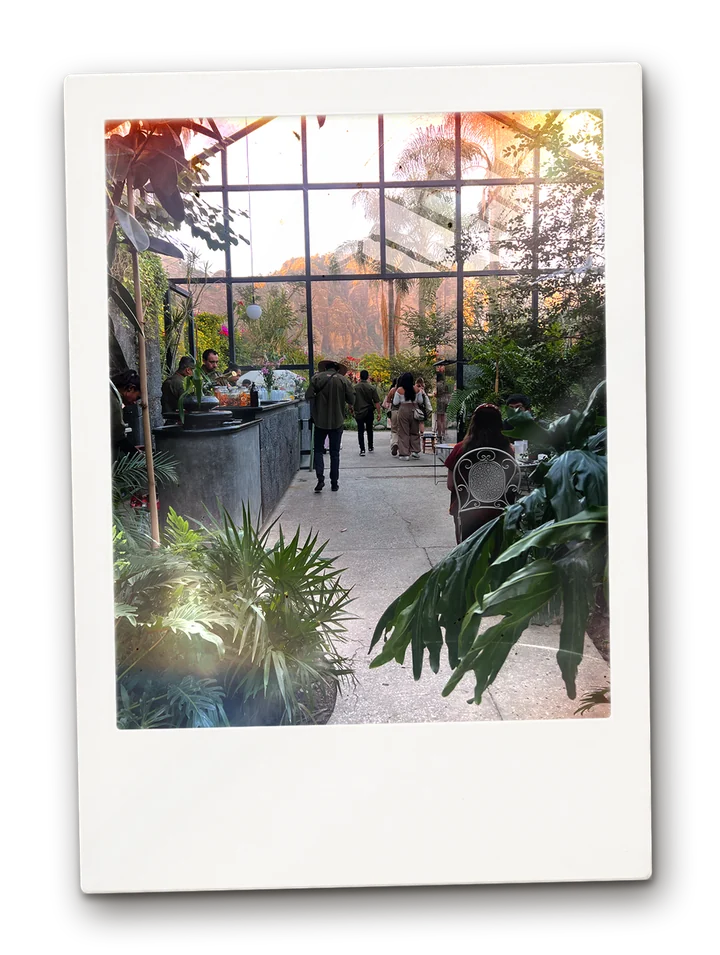
The market’s food row is where you come for itacates and traditional Tepoztlán food. The stalls are cheap and good. But skip sitting down right at the edge of the market facing the zócalo—those restaurants charge resort-town prices for the same food available a block away. Walk a couple of streets further into town instead, where smaller comedores serving itacates, quesadillas, and soups cost less and are run by the same family year-round rather than set up for weekend crowds.
Itacates: These are the town specialty—triangular masa gorditas, usually filled with cheese, beans, or chorizo, served warm. Get them from the market stalls, not restaurants. They cost a few pesos and are the closest thing to street food that fills you up.
Pulque: If you want to try it, there are pulque stands in the market and small bars around town. It’s an acquired taste—fermented agave, thick and sour—but it’s cultural and it’s everywhere in Tepoztlán.
Staying over
A day trip works: leave early, hike before the crowds, eat, browse the market, and be back in the city by evening. But staying over is worth it. You get the town at hours day-trippers never see, a quiet dawn walk before the first buses arrive, and a realistic shot at the hike since starting it fresh beats trying to climb after a bus ride.
Hotels range from budget pensiones to upscale boutique places that cater to Mexico City weekenders. Budget around 600–800 pesos for a basic room, 1,500+ for something nicer.
Practical details
Hours: The market operates daily but swells on Sundays. Most stalls open by 9 am and are busiest from 10 am through late afternoon. The Ex-Convento is generally accessible during daylight hours.
Best time to visit: Weekday mornings are quieter and better for the hike and browsing the market without crowds. Sundays are the full experience—louder and fuller, but busier. Avoid mid-afternoon heat; morning temperatures are far more pleasant.
Hike difficulty: Steep, rocky, and exposed in places. Takes an hour to 90 minutes depending on fitness. Not technical climbing, but it’s a real hike, not a walk.
What to bring: Water, sunscreen, proper hiking shoes with grip. The pyramid itself is small and you can see it from town, but the view from the top is worth the climb.
How long: A day trip works if you leave early. Overnight gives you more time and lets you start the hike fresh.
Transport and timing
The bus from Mexico City leaves you in town around an hour after departure. The walk or taxi to the zócalo is short. Return buses run regularly throughout the day. The trip works as a long day trip but rewards staying over if you can.